Across Generations and a Nation: Linda Wong's Story
Written by Chinese Canadian Museum Founding Patron, Linda Wong.
Like many of us, I have boxes of photos and documents collected by generations of family members. My hope in being a founding donor to the Chinese Canadian Museum is that the oral histories of previous, present and future generations will be shared and safeguarded for all Canadians. In this story, I have chosen to highlight my father in the cross-Canada history of my family.
My father, who is 100 years old as this is written, believes in honouring family and community, exercsing the right to vote, contributing to the community and living peacefully — beliefs that many Canadians hold close to their hearts. My and my husbands' donations to CCM are a tangible product of the lifelong beliefs that my father and mother instilled in me.
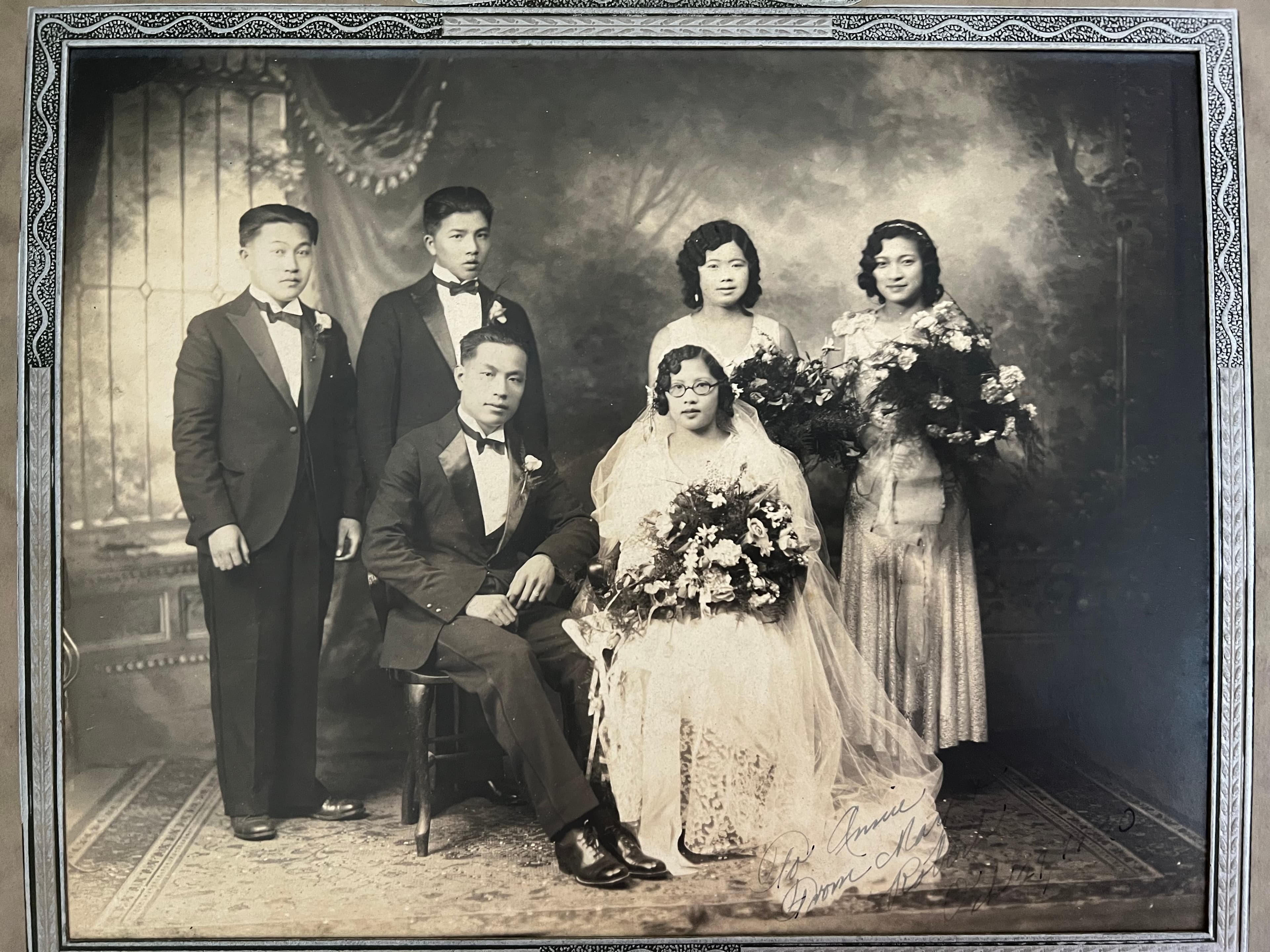
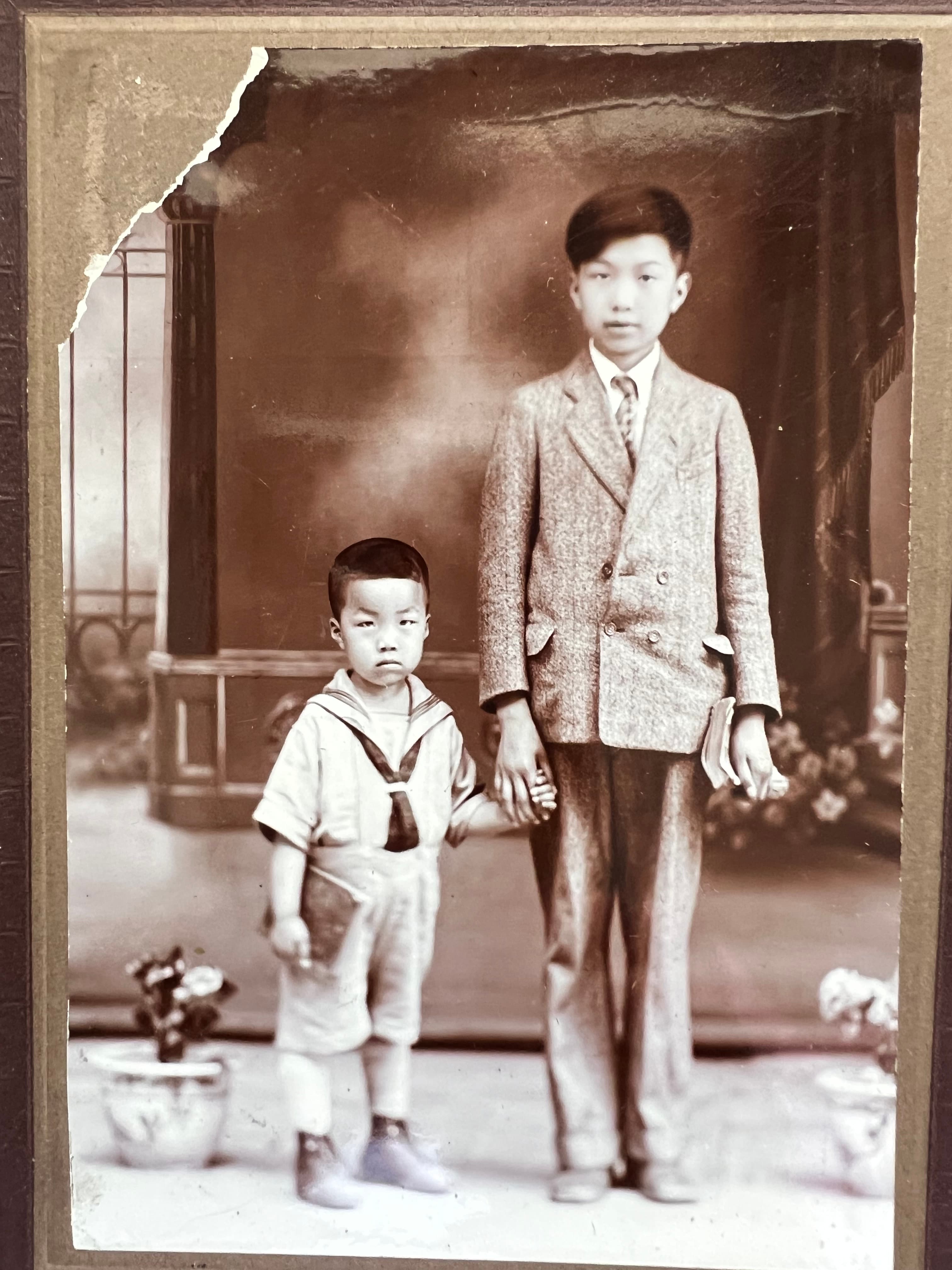
My father was born in Cumberland, B.C., a mining town where his father worked in the mines and delivered his seven children without medical help. Four of my father’s siblings died young. A sister he never knew had died at age five in 1919 — a victim of the post-WWI flu pandemic. One of his older brothers died at age eight during an appendectomy in Cumberland. After returning to China for their Chinese education, my father's youngest brother passed away there at age two. An older sister later died at 21.
Decades later, after our immediate family moved to Vancouver, my father visited Cumberland and searched, without success, for the resting place of his youngest brother. But he and my mother — a native Vancouverite — were able to connect with the Chinese community from Cumberland during the annual Cumberland picnic and in Vancouver’s Chinatown stores.
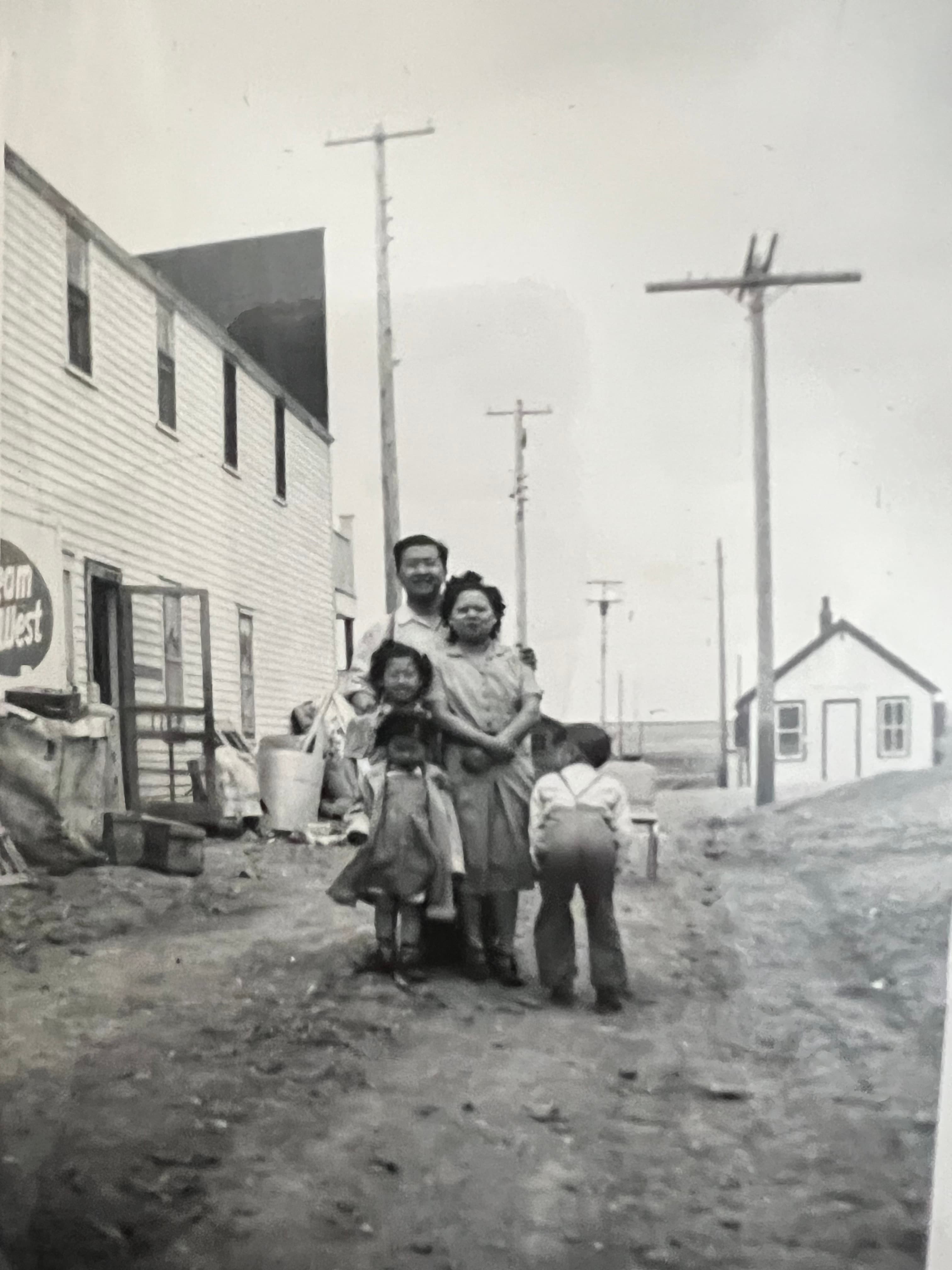
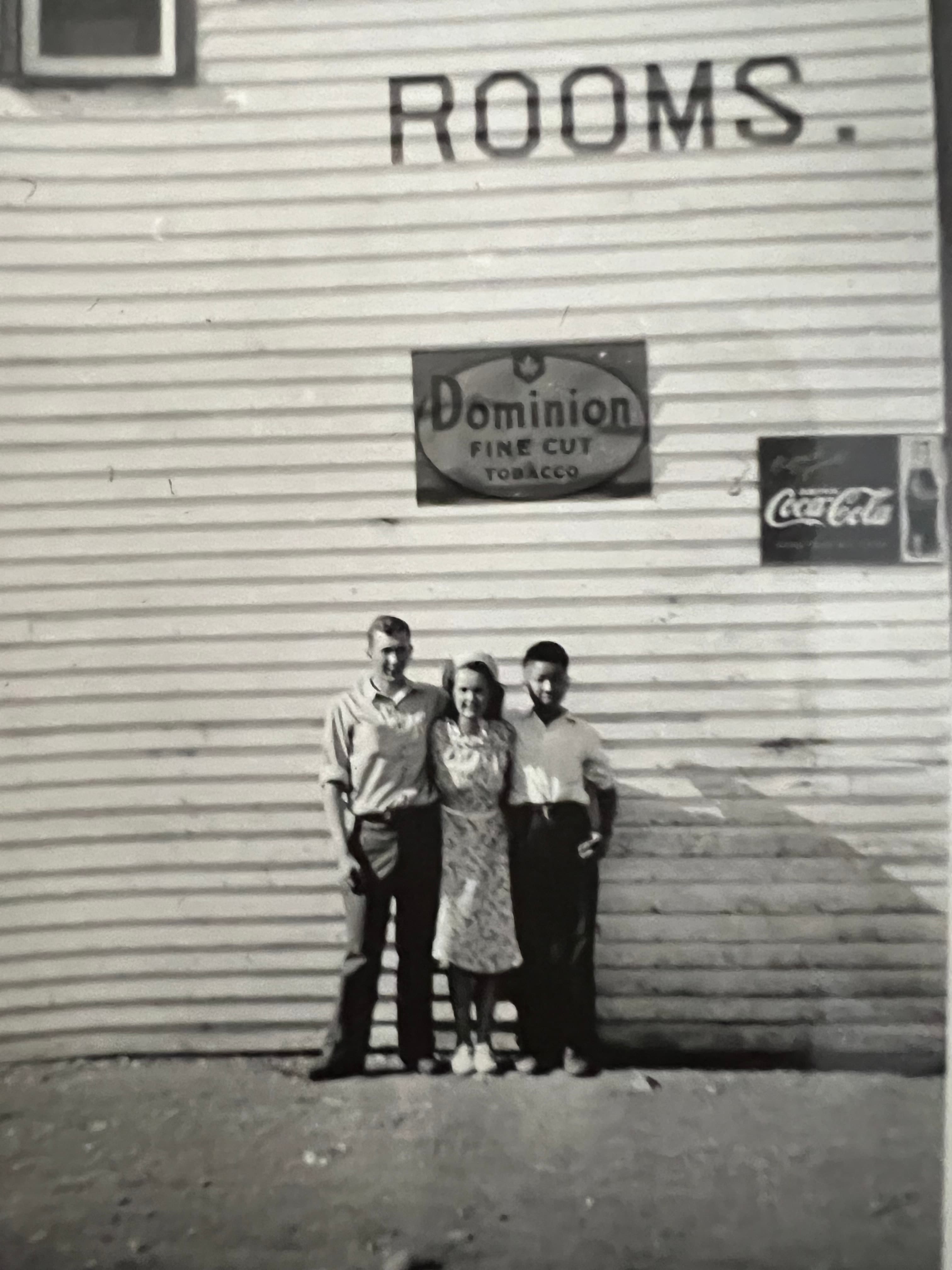
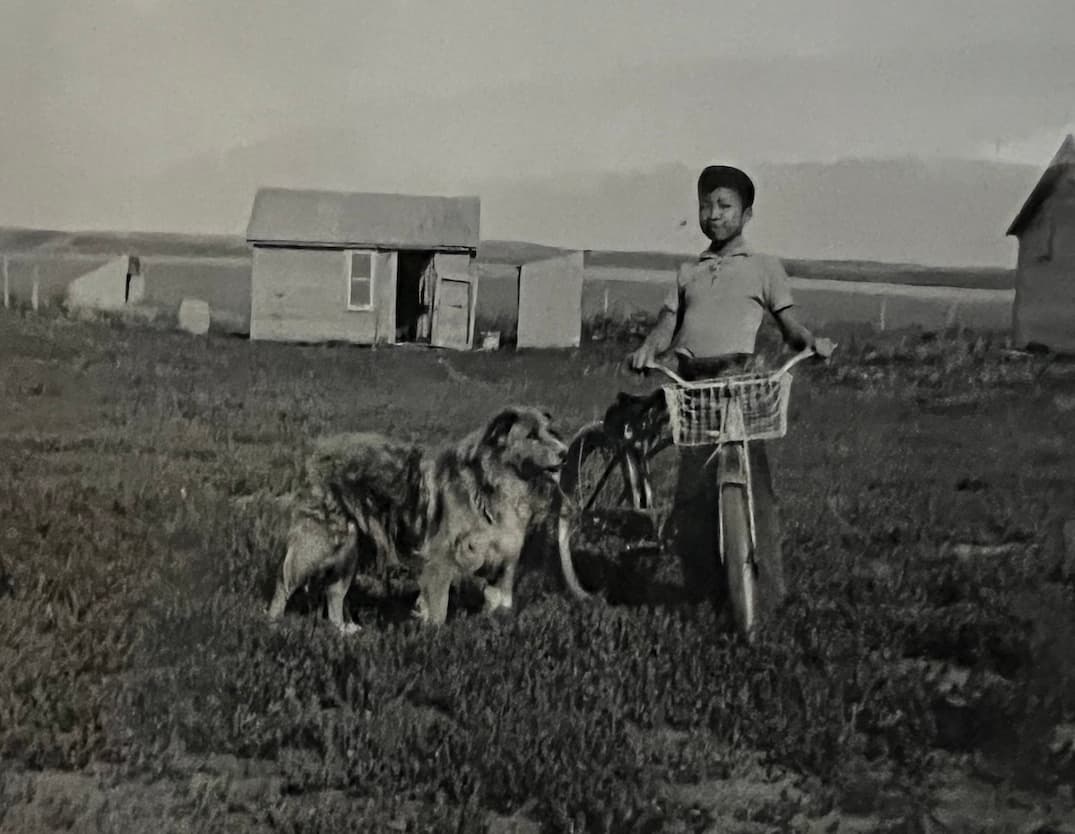
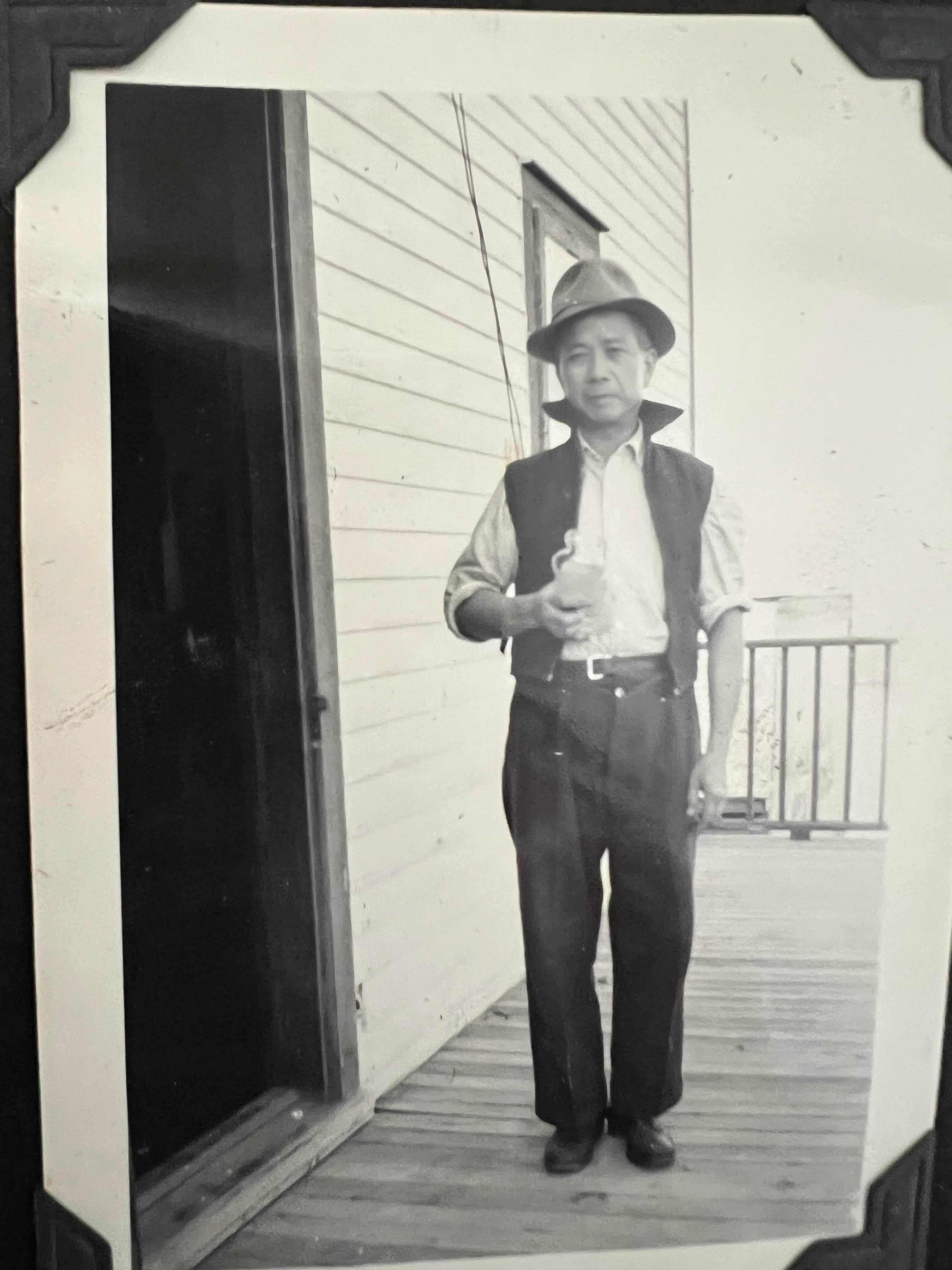
My father returned to Canada at age 13 with his older brother Arthur and Arthur’s new wife Lily. They took the train to Lake Alma, Saskatchewan, where they joined their father in running a store and cafe. They also rented a few rooms while living in the rest of the wooden building. Their mother remained in China.
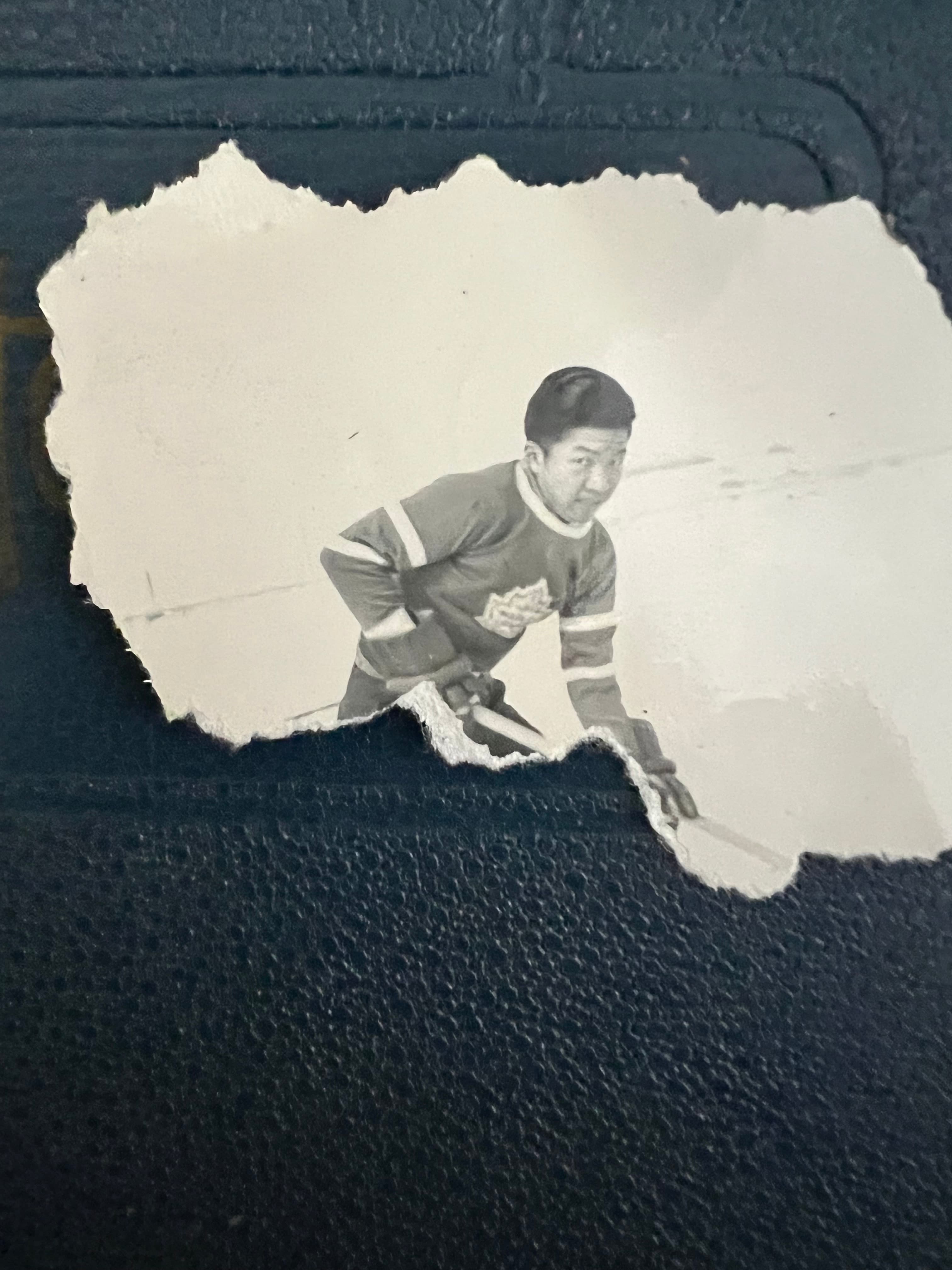
My father enjoyed the wide open spaces — riding his bike playing hockey, and spending time with his friends. He also took extra private lessons in English because his father, although not rich, believed in the value of education. My dad worked in his father’s cafe cleaning counters and eventually learning how to make delicious steaks with just an old fashioned cast iron pan. My uncle Art and aunt Lily began their family in Lake Alma where my grandfather could regale the young children with stories.
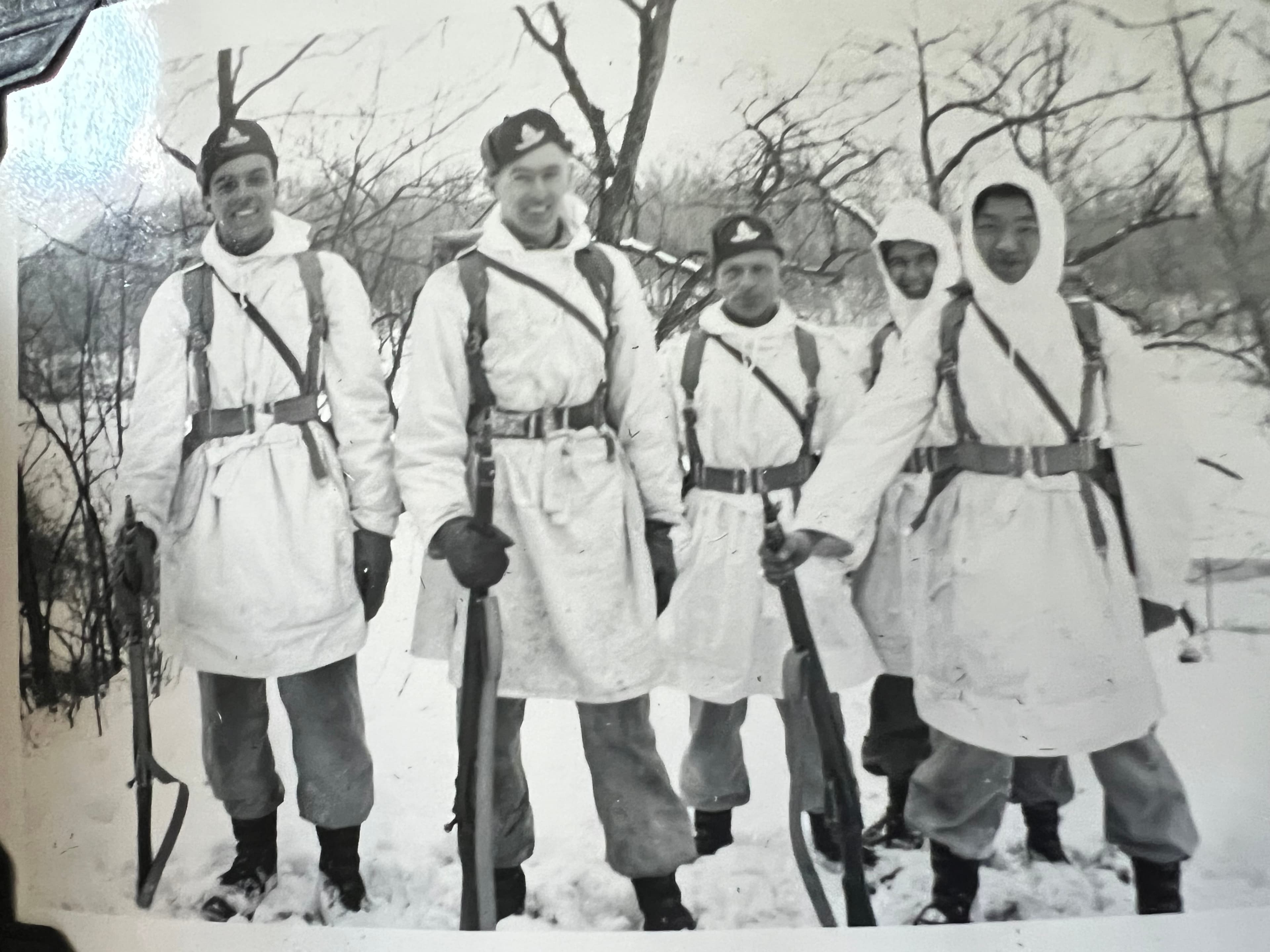
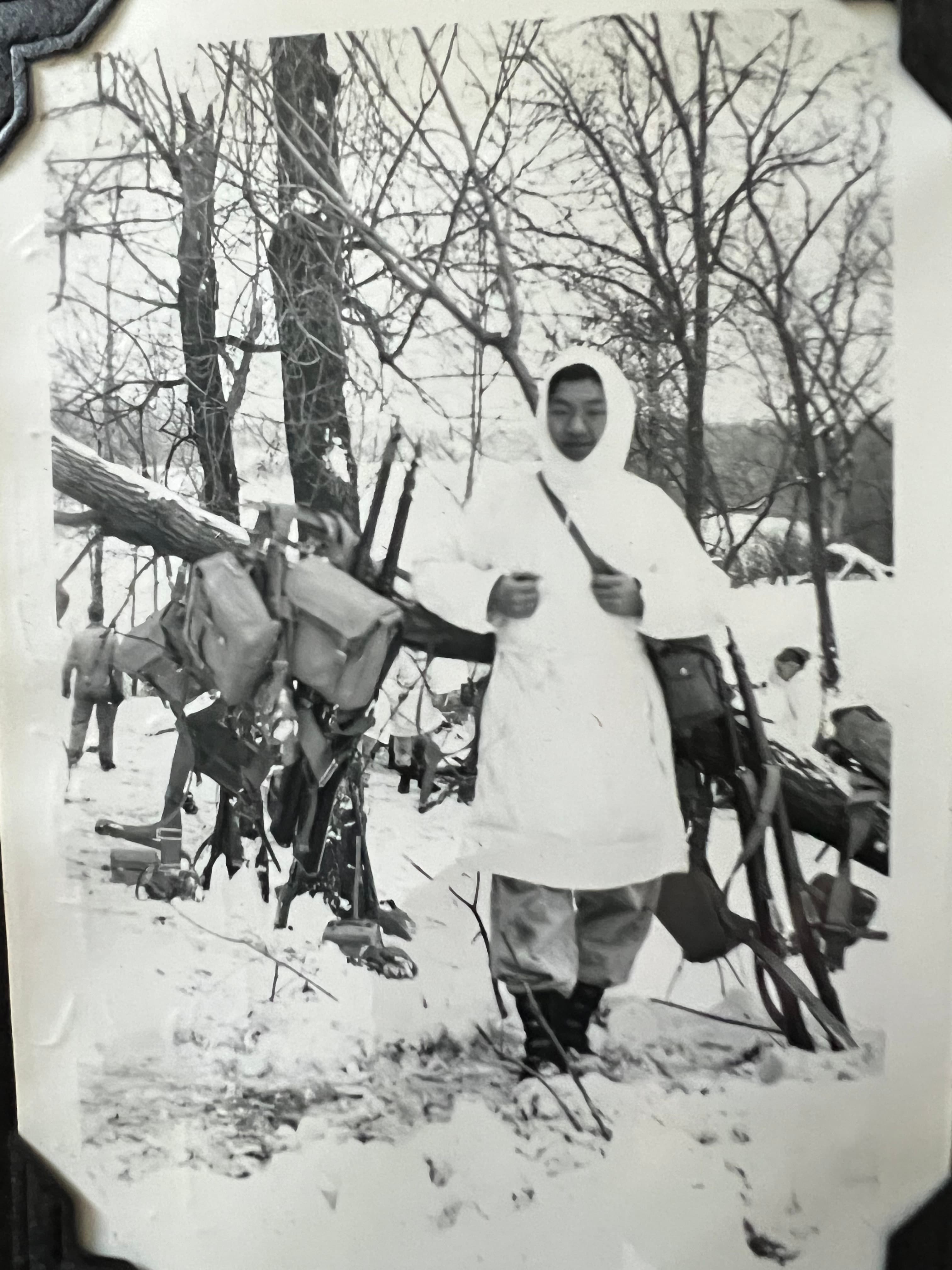
During WWII, my father entered military training in Manitoba. He hoped to see action but a health condition limited him to working in the military stores. While going through documents and photos for this story I was delighted to find my father’s regimental number, perhaps a gateway to finding out more about my father’s time with the army. The Canadian Vocational Training program for discharged service personnel allowed him to get his grade 12 diploma, which in turn allowed him to attend the University of Saskatchewan.
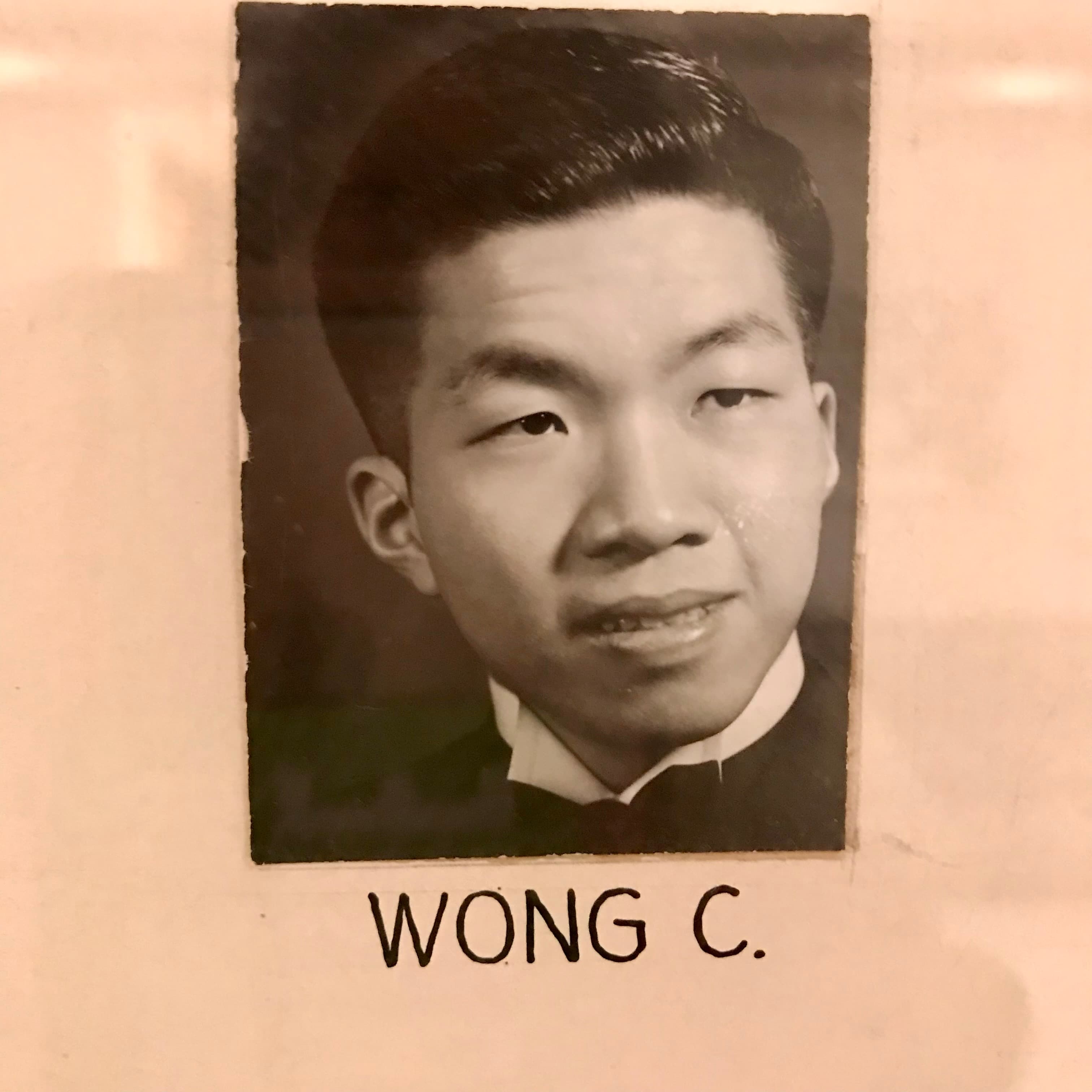
He graduated with a Bachelor of Science in Electrical Engineering in 1950 — the first person in his family to graduate from University. During a visit to Saskatoon decades later, I found his graduating class photo in the engineering building and could see him and his classmates in their hard earned graduation gowns.
My father first worked as an electrical engineer in Toronto, including a time at the CBC. At one point, the CBC sent him to New York to learn about developments in colour television. He met and married my mother in Toronto. Her family operated and lived above the Eddie Kong grocery on Queen Street and later lived on a farm outside Toronto. My parents, sister and I visited that farm in the late 1950s.
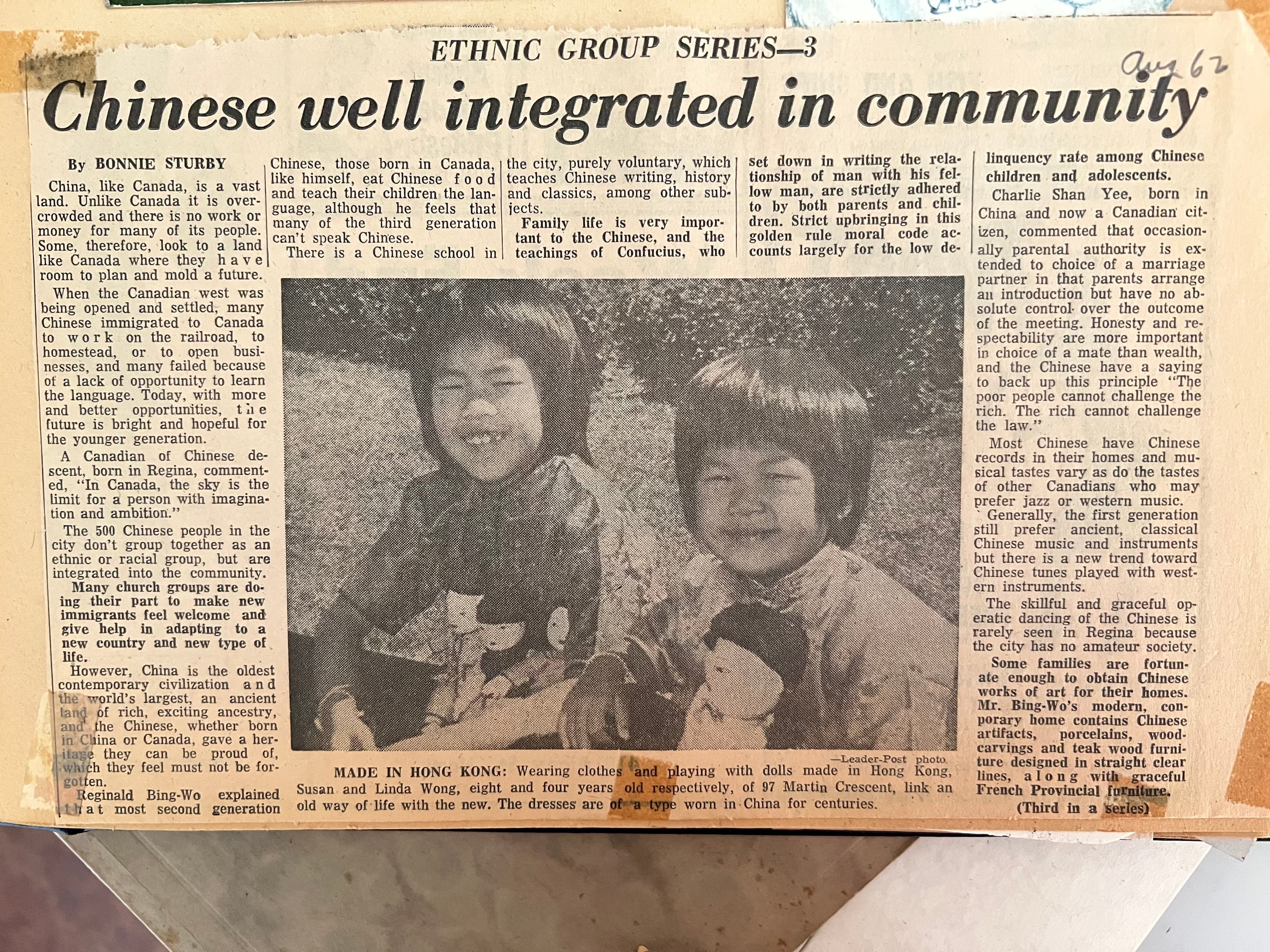
After they married, my parents moved to Regina. My father became a registered member of the Saskatchewan Association of Professional Engineers in 1955 and began work as an electrical engineer for the telephone company. His professional certificate was signed by Registrar Reginald Bing-Wo. The same Mr. Bing-Wo was later quoted in a 1962 Regina Leader Post article about the then 500 member Chinese Canadian community in Regina, accompanied by a photo of my sister Susan and me. Registrar Bing-Wo’s younger brother also married one of my cousins, knitting our families together, and I was lucky to be their flower girl.
That small Chinese Canadian community in Regina was close knit. They shared what they had with each other and with the people who remained in the villages in China. I remember big cardboard boxes of quilts, clothing and supplies being sent to China. The few new immigrants who arrived from China brought back news.
In Regina, my father’s mother finally re-united with her husband and her three children, meeting the 11 grandchildren who were born while she was excluded from returning to Canada from China.
Our extended family was close-knit, with a birthday, wedding, or special occasion to celebrate nearly every week — whether at our home or at an aunt and uncle's. The Chinese Alliance church, the WK restaurant and the Nova Cafe were run by Chinese Canadians and many happy memories were made there.
Upon my father’s mother’s death in 1971, my father and the rest of our family relocated to Vancouver where my mother’s father lived in Chinatown. As he had in Saskatchewan, my father worked for the telephone company. My mother reconnected with her aunt, uncles and cousins who had stayed in Vancouver. I was very surprised to discover I had so many relatives on my mother’s side. My mother loved living again in a big city that had a Chinatown. She was a model in the 1991 CCC fundraiser fashion show featuring Chinese Canadian designers. My parents were active in square dancing, learning languages, cross country skiing, hiking, travelling, socializing over dim sum, learning from my mother’s father how to grow tomatoes and other vegetables, and working.
Some of the happiest moments of my father’s and mother’s life were seeing their nieces and nephews and later their own children get married. The arrival of great nieces and nephews and grandchildren were special occasions that were marked with banquets and gifts.
My father’s greatest joy on his 100th birthday was watching his young great grandsons enjoying fruits and special foods, playing with balloons and displaying endless energy for having fun. His birthday was also marked by congratulatory cards and messages including one from King Charles and Queen Camilla. My father had often remarked that he was the same age as the Queen, King Charles’ mother. My father loves Canada and all of the opportunities were, are and will be available for generations of his family.